

What is the yield strength of a water well drill pipe?
As a reputable water well drill pipe supplier, I am often confronted with inquiries regarding the yield strength of our products. Yield strength is a fundamental mechanical property that plays a pivotal role in the performance and safety of water well drill pipes. In this blog post, I will delve into the concept of yield strength, its significance in the context of water well drill pipes, and how it influences various aspects of drilling operations.
Understanding Yield Strength
Yield strength is defined as the stress at which a material begins to deform plastically, i.e., it no longer returns to its original shape after the applied stress is removed. Before reaching the yield strength, the material behaves elastically, meaning that it will regain its original dimensions once the stress is released. However, once the yield strength is exceeded, the material undergoes permanent deformation, which can have serious implications for the integrity and functionality of the drill pipe.
The yield strength of a material is typically determined through a tensile test, where a sample of the material is subjected to a gradually increasing tensile force until it begins to deform plastically. The stress at which this occurs is recorded as the yield strength. In the case of water well drill pipes, the yield strength is a critical parameter that determines the maximum load the pipe can withstand without undergoing permanent deformation.
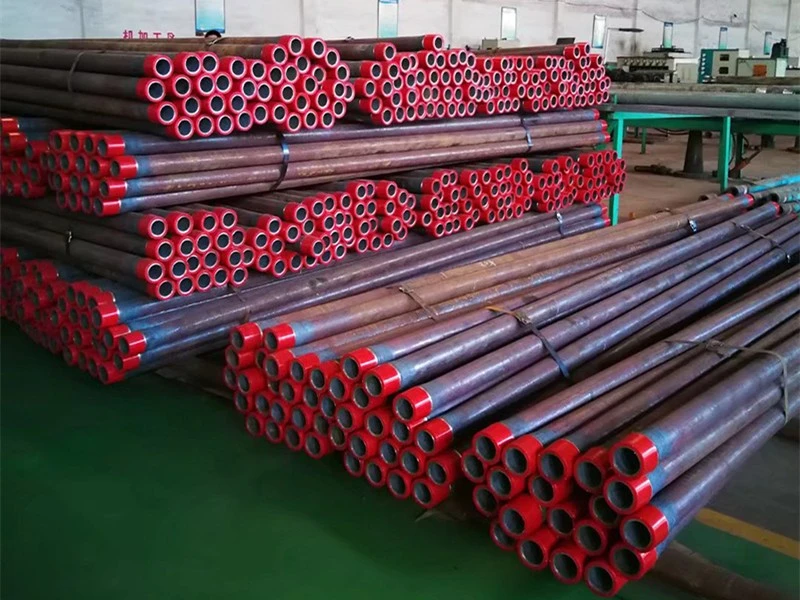
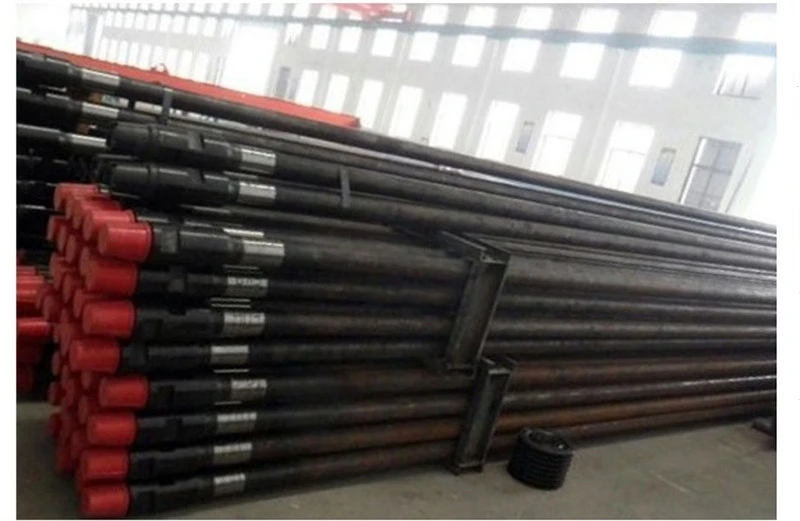
Significance of Yield Strength in Water Well Drill Pipes
The yield strength of a water well drill pipe is of utmost importance for several reasons. Firstly, it directly affects the pipe's ability to withstand the high stresses and pressures encountered during drilling operations. Water well drilling involves the use of heavy equipment and powerful drilling rigs, which subject the drill pipe to significant axial and torsional forces. If the yield strength of the drill pipe is insufficient to withstand these forces, the pipe may deform or even rupture, leading to costly downtime and potential safety hazards.
Secondly, the yield strength of the drill pipe influences its durability and service life. Drill pipes are exposed to harsh operating conditions, including abrasive soil, high temperatures, and corrosive fluids. A drill pipe with a higher yield strength is better able to resist wear and tear, corrosion, and other forms of damage, thereby extending its lifespan and reducing the need for frequent replacements.
Thirdly, the yield strength of the drill pipe affects the overall performance and efficiency of the drilling process. A drill pipe with a higher yield strength can transmit more torque and axial force to the drill bit, allowing for faster and more efficient drilling. This can result in significant time and cost savings, especially for large-scale water well drilling projects.
Factors Affecting the Yield Strength of Water Well Drill Pipes
The yield strength of a water well drill pipe is influenced by several factors, including the material composition, manufacturing process, and heat treatment.
- Material Composition: The material used to manufacture the drill pipe plays a crucial role in determining its yield strength. Most water well drill pipes are made from high-strength steel alloys, which offer excellent mechanical properties, including high yield strength, toughness, and corrosion resistance. The specific alloy composition and the presence of alloying elements such as carbon, manganese, chromium, and nickel can significantly affect the yield strength of the drill pipe.
- Manufacturing Process: The manufacturing process used to produce the drill pipe can also impact its yield strength. The most common manufacturing methods for water well drill pipes include seamless pipe production and welded pipe production. Seamless pipes are generally considered to have higher yield strength and better mechanical properties than welded pipes, as they are produced from a single piece of steel without any welds. However, welded pipes can also be engineered to have high yield strength through proper welding techniques and post-weld heat treatment.
- Heat Treatment: Heat treatment is a critical process that can significantly enhance the yield strength of the drill pipe. Heat treatment involves heating the drill pipe to a specific temperature and then cooling it at a controlled rate to modify its microstructure and mechanical properties. Common heat treatment processes for water well drill pipes include quenching and tempering, which can increase the yield strength and hardness of the pipe while maintaining its toughness and ductility.
Selecting the Right Yield Strength for Your Water Well Drilling Project
When selecting a water well drill pipe for your project, it is essential to consider the specific requirements of the drilling operation and the geological conditions at the drill site. The yield strength of the drill pipe should be carefully matched to the expected loads and stresses during drilling to ensure optimal performance and safety.
- Drilling Depth and Formation: The depth of the well and the type of geological formation being drilled are important factors to consider when selecting the yield strength of the drill pipe. Deeper wells and harder formations typically require drill pipes with higher yield strength to withstand the increased axial and torsional forces.
- Drilling Method: The drilling method used can also influence the choice of drill pipe yield strength. For example, rotary drilling methods generally require drill pipes with higher yield strength than percussion drilling methods, as they involve higher rotational speeds and torque.
- Safety Factors: It is also important to consider safety factors when selecting the yield strength of the drill pipe. A safety factor is a multiplier applied to the expected loads and stresses to account for uncertainties and potential variations in the drilling conditions. A higher safety factor provides a greater margin of safety but may also increase the cost of the drill pipe.
Our Product Offerings
As a leading water well drill pipe supplier, we offer a wide range of drill pipes with different yield strengths to meet the diverse needs of our customers. Our Water Well Drill Stem is designed to provide high strength and durability, making it suitable for deep and challenging water well drilling projects. Our Water Drill Pipe is available in various sizes and grades, with yield strengths ranging from 60,000 psi to 120,000 psi, to accommodate different drilling requirements. We also offer Well Drill Rod with excellent mechanical properties and corrosion resistance, ensuring reliable performance in harsh operating environments.
Conclusion
In conclusion, the yield strength of a water well drill pipe is a critical parameter that determines its performance, durability, and safety. Understanding the concept of yield strength and its significance in the context of water well drilling is essential for selecting the right drill pipe for your project. As a trusted water well drill pipe supplier, we are committed to providing high-quality drill pipes with the appropriate yield strength to meet the specific needs of our customers. If you have any questions or need assistance in selecting the right drill pipe for your water well drilling project, please do not hesitate to contact us. We look forward to discussing your requirements and working with you to achieve your drilling goals.
References
- Callister, W. D., & Rethwisch, D. G. (2016). Materials Science and Engineering: An Introduction. Wiley.
- ASME Boiler and Pressure Vessel Code, Section VIII, Division 1. (2017). American Society of Mechanical Engineers.
- API Specification 5DP: Drill Pipe. (2019). American Petroleum Institute.