

As a well - drilling trailer supplier, I often get asked various questions about the applications of our products. One question that comes up quite frequently is, "Can a well - drilling trailer be used in forested areas?" In this blog, I'll delve into the details of this topic, exploring the feasibility, challenges, and benefits of using well - drilling trailers in forested regions.
Feasibility of Using Well - Drilling Trailers in Forested Areas
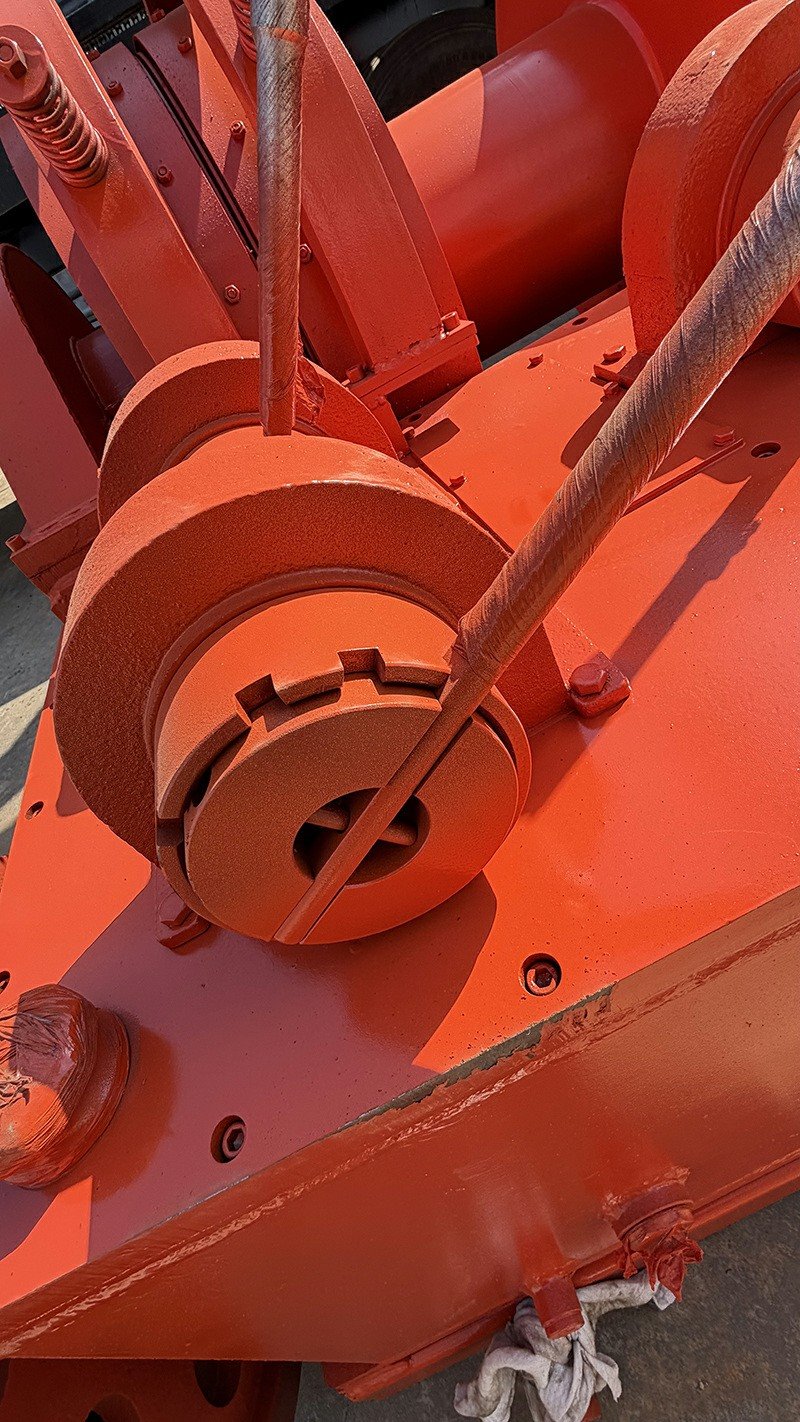
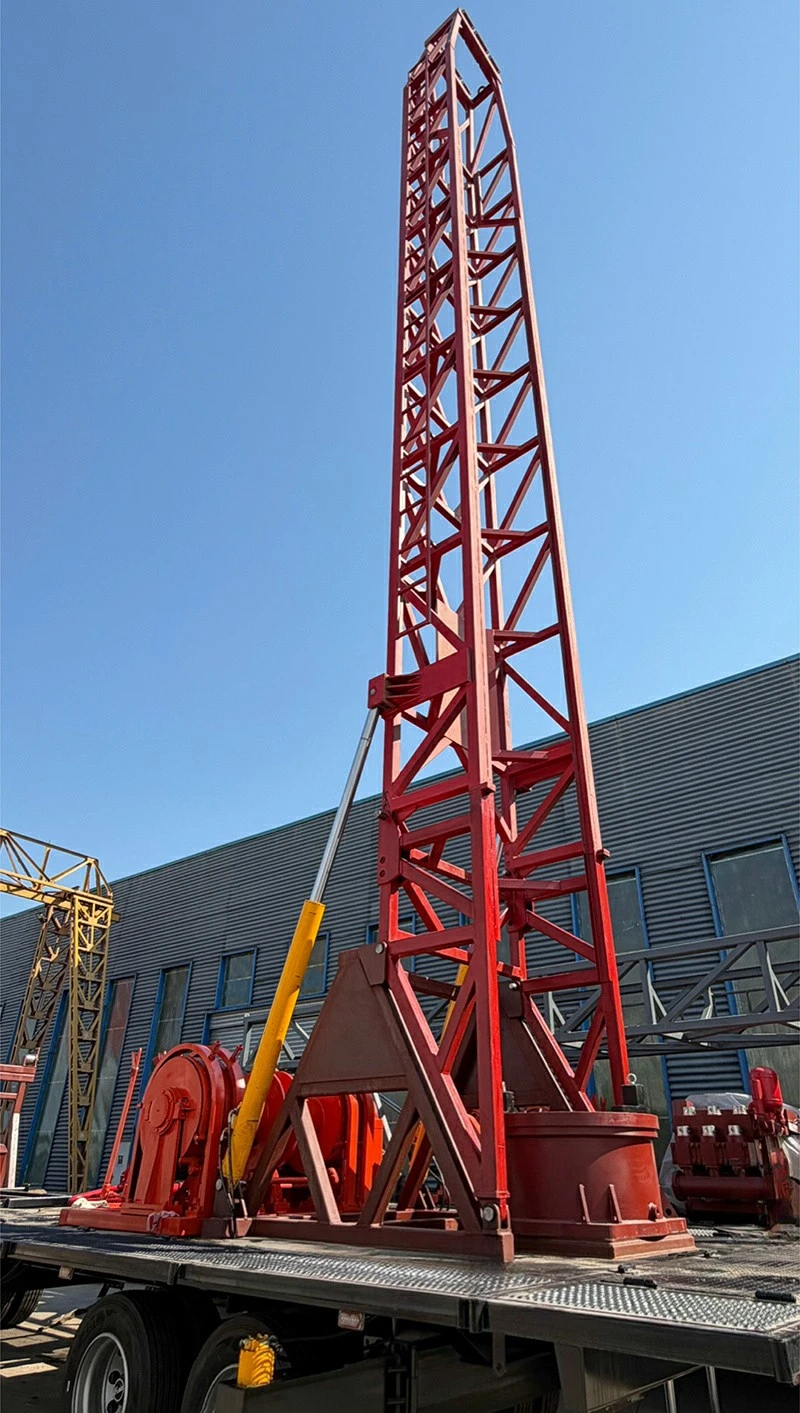
Well - drilling trailers, such as the Trailer Mounted Water Well Drilling Rig, are designed to be mobile and adaptable to different terrains. In forested areas, the feasibility of using these trailers largely depends on several factors.
First, the size and maneuverability of the well - drilling trailer play a crucial role. Modern well - drilling trailers, like our Drilling Trailer, are engineered to be relatively compact and easy to tow. This allows them to navigate through narrow forest paths to reach the drilling site. However, the density of the forest and the presence of large trees can pose challenges. If the trees are too close together, it may be difficult to position the trailer properly for drilling.
Second, the ground conditions in forested areas need to be considered. Forest floors can be soft, uneven, and covered with a layer of organic matter such as leaves and twigs. Our Well Drilling Trailer is equipped with features to handle such conditions. For example, it has a stable chassis and adjustable legs that can be set to level the trailer on uneven ground. Additionally, the trailer's wheels are designed to provide good traction on soft surfaces, ensuring that it can move smoothly during the drilling process.
Challenges of Using Well - Drilling Trailers in Forested Areas
Despite the feasibility, there are several challenges associated with using well - drilling trailers in forested areas.
One of the main challenges is environmental impact. Drilling in a forest can disrupt the natural ecosystem. The process may involve clearing some vegetation to make room for the trailer and the drilling equipment. This can lead to soil erosion, loss of habitat for wildlife, and changes in the local water cycle. As a responsible supplier, we encourage our customers to follow environmental regulations and best practices to minimize these impacts. For example, they can use techniques such as directional drilling, which allows for drilling at an angle without disturbing large areas of the forest floor.
Another challenge is access to the drilling site. Forests often lack proper roads or trails, making it difficult to transport the well - drilling trailer. In some cases, it may be necessary to build temporary access roads, which can be time - consuming and costly. Moreover, the presence of obstacles such as fallen trees and boulders can further impede the movement of the trailer. Our Trailer Drill Rig is designed to be as lightweight as possible to reduce the impact on the ground during transportation, but these challenges still need to be carefully addressed.
Benefits of Using Well - Drilling Trailers in Forested Areas
There are also significant benefits to using well - drilling trailers in forested areas.
One of the primary benefits is the ability to access water sources. Forested areas often have underground water reserves that can be tapped into for various purposes. For example, in rural forest communities, a well - drilled using our Water Well Drilling Trailer can provide a reliable source of clean water for drinking, irrigation, and livestock. This can improve the quality of life for the local population and support sustainable development in the area.
In addition, well - drilling in forested areas can be used for scientific research. Scientists can use the wells to study groundwater levels, water quality, and the interaction between the forest ecosystem and the water table. This information can be valuable for understanding the health of the forest and developing conservation strategies.
Technical Considerations
When using a well - drilling trailer in forested areas, there are some technical considerations to keep in mind.
The drilling equipment needs to be suitable for the type of soil and rock formations found in the forest. Forest soils can vary widely, from loose sandy soils to dense clay soils. Our well - drilling trailers are equipped with a range of drilling tools and techniques to handle different soil conditions. For example, rotary drilling is commonly used for soft soils, while percussion drilling may be more appropriate for harder rock formations.
The power source of the well - drilling trailer is also important. In forested areas, access to electricity may be limited. Therefore, our trailers are often powered by diesel engines, which provide reliable and independent power. This allows for drilling operations to be carried out even in remote forest locations.
Conclusion
In conclusion, a well - drilling trailer can be used in forested areas, but it requires careful planning and consideration. The feasibility depends on factors such as the size and maneuverability of the trailer, ground conditions, and access to the drilling site. While there are challenges, such as environmental impact and difficult access, there are also significant benefits, including access to water sources and support for scientific research.
If you are interested in using a well - drilling trailer in a forested area or have any questions about our products, I encourage you to reach out for a detailed discussion. We can provide you with the necessary information and guidance to ensure a successful drilling project. Whether you need a Trailer Mounted Water Well Drilling Rig, a Drilling Trailer, or any other well - drilling equipment, we are here to assist you. Contact us today to start the conversation about your well - drilling needs.
References
- "Forest Ecosystems and Groundwater Interaction" - Journal of Environmental Science
- "Well - Drilling Techniques for Different Terrains" - Drilling Technology Magazine
- "Environmental Impact of Drilling in Forested Areas" - Forest Conservation Journal