

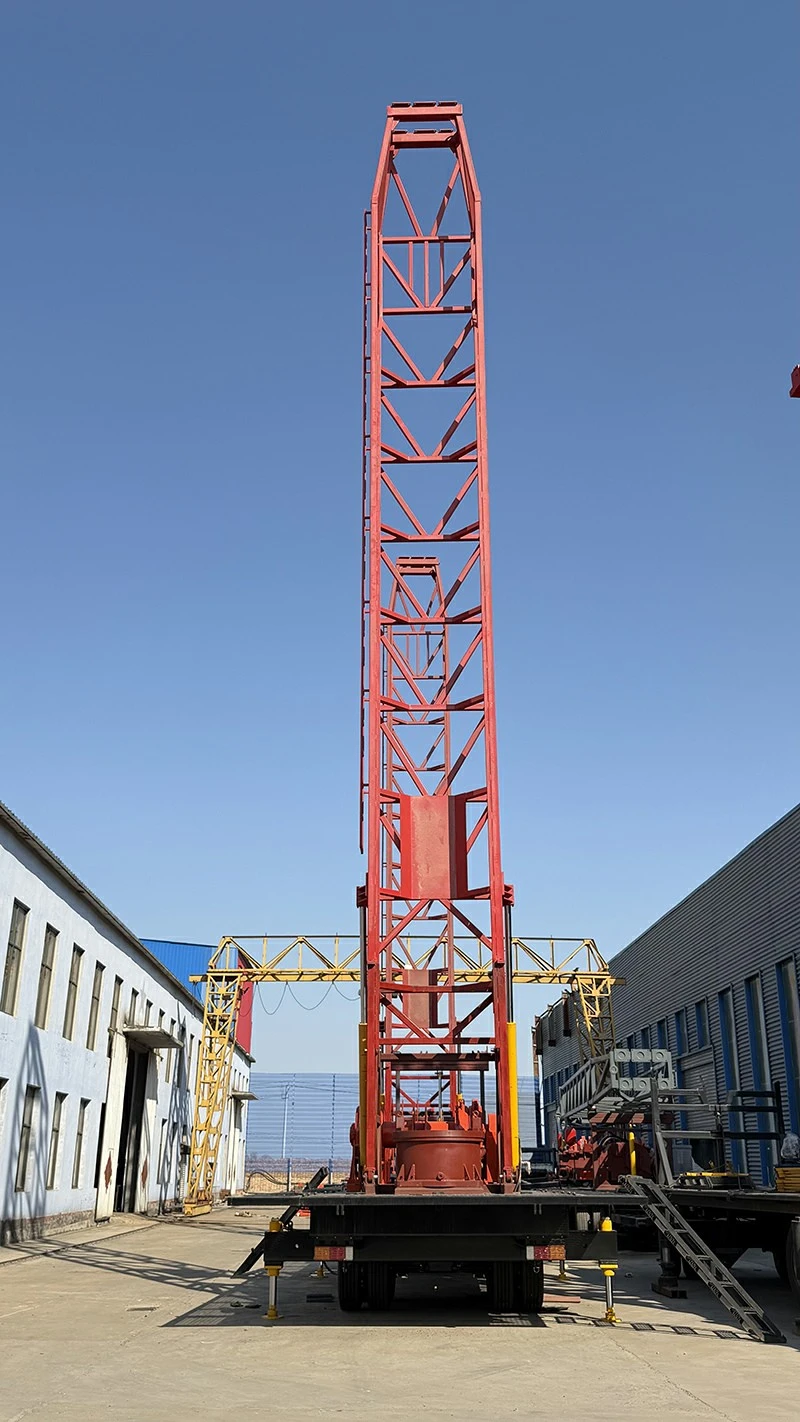
As a reputable supplier of Well Digging Rigs, I understand the paramount importance of safety in the drilling industry. Well digging operations are fraught with various risks, including mechanical failures, falls, and exposure to hazardous materials. That's why modern well digging rigs are equipped with a comprehensive array of safety devices to protect operators and ensure the smooth and secure execution of drilling projects. In this blog post, I'll delve into the key safety devices commonly found on well digging rigs, highlighting their functions and significance.
1. Emergency Stop Buttons
Emergency stop buttons are one of the most critical safety features on a well digging rig. These large, easily accessible buttons are strategically placed throughout the rig, allowing operators to immediately halt all machine operations in case of an emergency. Whether it's a sudden mechanical malfunction, a threat to personnel safety, or an unforeseen hazard, a quick press of the emergency stop button can prevent serious accidents and minimize damage. The emergency stop system is designed to cut off power to the rig's motors and other critical components, bringing the entire operation to an abrupt stop. This feature provides an essential last line of defense in high - risk situations.
2. Guardrails and Safety Gates
Guardrails and safety gates are installed on well digging rigs to prevent falls and protect operators from the risk of falling off elevated platforms or into dangerous areas. Guardrails are typically made of sturdy metal and are placed around walkways, platforms, and the edges of the rig. They provide a physical barrier that keeps operators within a safe area while working on the rig. Safety gates, on the other hand, are used to block access to potentially hazardous areas, such as the drill bit area or the engine compartment. These gates are interlocked with the rig's control system, meaning that if a gate is opened, the relevant machine functions will automatically stop to prevent accidental entry into dangerous zones. For example, when accessing the drill bit for maintenance, opening the safety gate will halt the rotation of the drill, preventing the operator from being caught in the moving parts.
3. Fire Suppression Systems
Well digging rigs often operate in environments with a high risk of fire, especially when dealing with fuel, hydraulic fluids, and electrical components. Fire suppression systems are installed to detect and extinguish fires quickly, minimizing the potential for extensive damage and injury. These systems typically include fire detectors, which can sense heat, smoke, or flames, and fire suppression agents, such as dry chemical powder or water - based extinguishants. Once a fire is detected, the system can be activated automatically or manually. The fire suppression agents are then released to smother the fire and prevent its spread. Regular maintenance and testing of fire suppression systems are essential to ensure their reliability in case of an actual fire.
4. Overload Protection Devices
Overloading a well digging rig can lead to serious mechanical failures, structural damage, and even collapse. Overload protection devices are designed to monitor the load on the rig's various components, such as the hoist, drill string, and hydraulic systems. These devices use sensors to measure the load and compare it to the rig's maximum rated capacity. If the load exceeds the safe limit, the overload protection system will automatically activate, either by reducing the power to the relevant components or by bringing the operation to a halt. This helps to prevent damage to the rig and ensures the safety of the operators. For instance, if the hoist is trying to lift a load that is too heavy, the overload protection device will stop the hoist motor to prevent it from burning out or causing the hoist to fail.
5. Safety Harnesses and Fall Arrest Systems
Since well digging rigs involve working at heights and on unstable surfaces, safety harnesses and fall arrest systems are essential safety equipment for operators. Safety harnesses are worn by operators and are designed to distribute the force of a fall evenly across the body, minimizing the risk of injury. They are typically attached to a secure anchor point on the rig, such as a structural member or a dedicated fall arrest anchor. Fall arrest systems, which may include lanyards, ropes, and shock absorbers, are used in conjunction with safety harnesses to stop a fall before the operator hits the ground or a hard surface. These systems are designed to arrest the fall within a short distance and reduce the impact force on the operator. Regular inspection and proper use of safety harnesses and fall arrest systems are crucial for their effectiveness.
6. Pressure Relief Valves
Well digging rigs rely on hydraulic systems to power many of their functions, such as the drill rotation, hoist operation, and stabilizer movement. Hydraulic systems operate under high pressure, and if the pressure exceeds the safe limit, it can lead to component failures, leaks, and even explosions. Pressure relief valves are installed in hydraulic systems to protect against over - pressure situations. These valves are set to open at a specific pressure, allowing excess hydraulic fluid to flow back to the reservoir when the pressure reaches the preset limit. This helps to maintain the pressure within a safe range and prevents damage to the hydraulic components. For example, if a blockage occurs in the hydraulic line, causing the pressure to rise, the pressure relief valve will open to release the excess pressure and prevent a catastrophic failure.
7. Warning Lights and Alarms
Warning lights and alarms are used to alert operators of potential hazards or abnormal operating conditions on the well digging rig. These visual and auditory signals can indicate a variety of issues, such as low oil pressure, high engine temperature, or a malfunction in the drilling system. Warning lights are typically located on the rig's control panel or in prominent areas where they can be easily seen by the operator. Alarms, on the other hand, provide a loud, attention - grabbing sound to ensure that the operator is immediately aware of the problem. By quickly notifying the operator of potential issues, warning lights and alarms allow for timely intervention and preventive maintenance, reducing the risk of accidents and breakdowns.
8. Safety Interlocks
Safety interlocks are electrical or mechanical devices that are used to prevent certain machine operations from occurring unless specific conditions are met. For example, a safety interlock may prevent the drill from starting unless all the safety guards are in place and the stabilizers are properly deployed. These interlocks are designed to ensure that the rig is operated in a safe manner and that operators follow the correct procedures. By preventing unauthorized or unsafe operations, safety interlocks help to reduce the risk of accidents and injuries. They also play a crucial role in protecting the rig from damage caused by improper use.
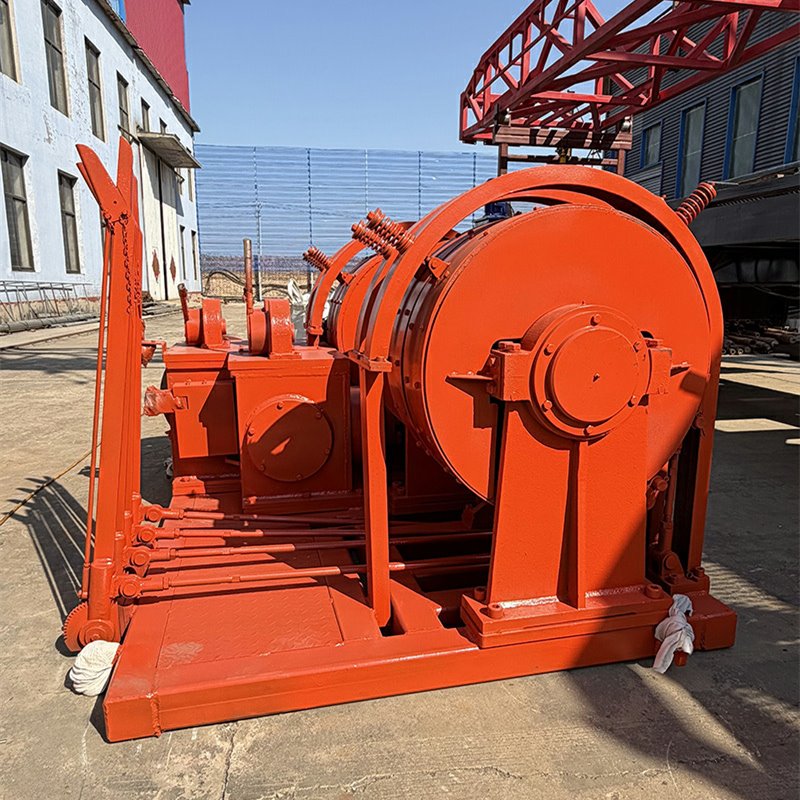
At our company, we take pride in offering high - quality Well Digging Rig that are equipped with the latest safety devices. Our Deep Rock Water Drilling Rig is a prime example of our commitment to safety and performance. It comes with all the essential safety features mentioned above, ensuring the well - being of operators and the success of drilling projects. We also offer Drilling Borewell Machine, Water Pump Drilling Machine, and Truck Borewell Machine, all of which are designed with safety as a top priority.
If you're in the market for a reliable and safe well digging rig, we invite you to contact us for more information. Our team of experts is ready to assist you in selecting the right rig for your specific needs and to answer any questions you may have. We look forward to the opportunity to work with you and to contribute to the success of your drilling operations.
References
- Drilling Equipment Safety Manual, Industry Standard Publication
- Safety Guidelines for Well Digging Operations, National Drilling Association
- Hydraulic System Safety and Maintenance, Technical Handbook