

A well drilling trailer is a specialized piece of equipment designed for drilling water wells, geothermal wells, and other types of boreholes. As a well drilling trailer supplier, I've seen firsthand the importance of understanding how these trailers work, not only for operators but also for potential buyers looking to invest in this technology. In this blog post, I'll take you through the key components and the working principles of a well drilling trailer.
Key Components of a Well Drilling Trailer
1. Trailer Chassis
The trailer chassis is the foundation of the well drilling trailer. It provides a stable platform for all the other components and is designed to be towed by a vehicle. The chassis is typically made of high - strength steel to withstand the heavy loads and vibrations associated with drilling operations. It is equipped with axles, wheels, and a hitch system for easy transportation.
2. Drilling Rig
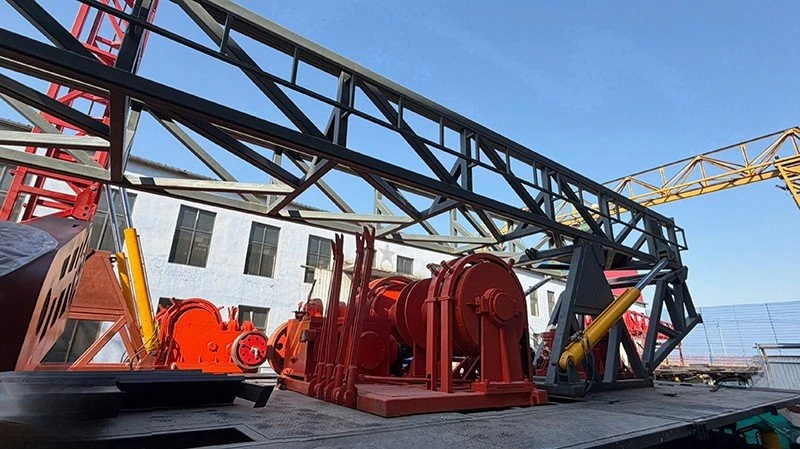
The drilling rig is the heart of the well drilling trailer. It consists of a mast, a hoist, a rotary table, and a power source. The mast is a tall structure that supports the drill string and provides the necessary height for drilling operations. The hoist is used to raise and lower the drill string, while the rotary table rotates the drill bit to create the borehole. The power source, which can be a diesel engine or an electric motor, provides the energy needed to operate the rig.
3. Drill String
The drill string is a series of connected drill pipes that transmit the rotational force from the rotary table to the drill bit. It also serves as a conduit for the drilling fluid, which is used to cool the drill bit, remove cuttings from the borehole, and maintain the stability of the wellbore. The drill string is made of high - strength steel and is designed to withstand the high pressures and stresses during drilling.
4. Drilling Fluid System
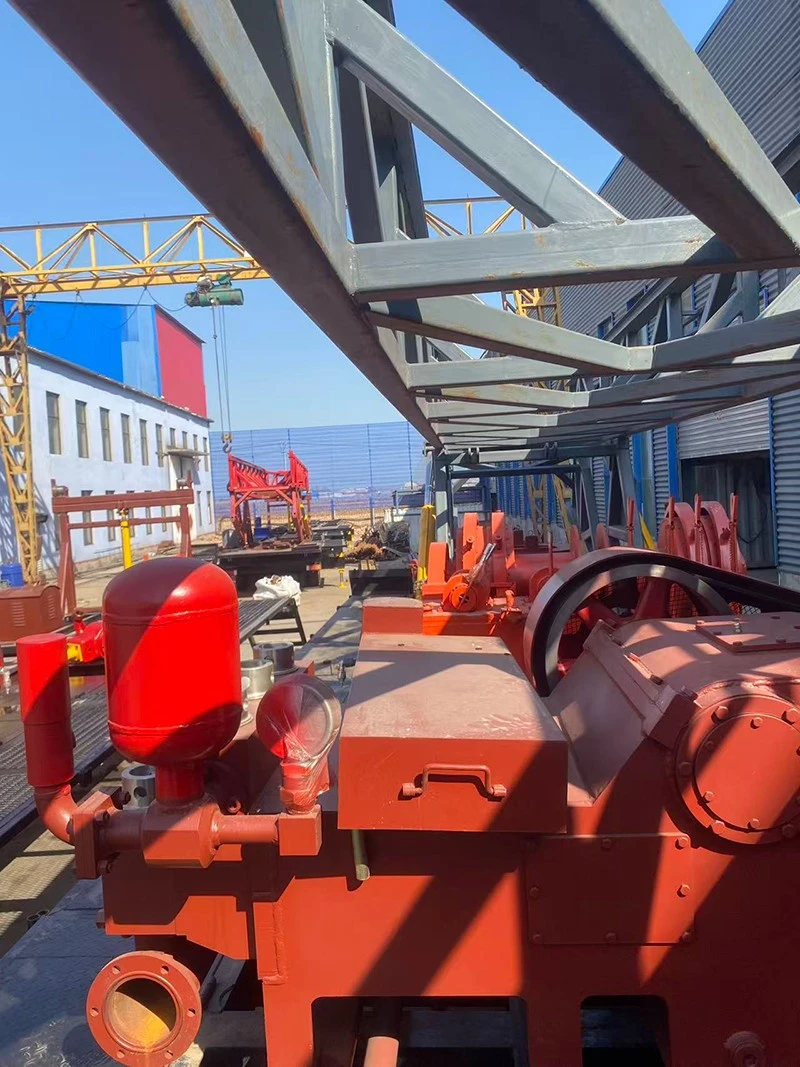
The drilling fluid system is responsible for supplying the drilling fluid to the drill bit. It consists of a mud pump, a mud tank, and a series of pipes and valves. The mud pump pumps the drilling fluid from the mud tank to the drill bit through the drill string. The drilling fluid is then returned to the mud tank through the annulus between the drill string and the wellbore, where it is cleaned and reused.
5. Control System
The control system allows the operator to monitor and control the drilling process. It includes a control panel with various gauges and switches that display information such as the drilling depth, the rotational speed of the drill bit, and the pressure of the drilling fluid. The operator can use the control system to adjust the drilling parameters to ensure efficient and safe drilling operations.
How a Well Drilling Trailer Works
1. Transportation
Before starting the drilling operation, the well drilling trailer needs to be transported to the drilling site. The trailer is hitched to a suitable vehicle, such as a truck, and towed to the location. Once at the site, the trailer is leveled and stabilized to ensure a safe and stable drilling environment.
2. Setup
After the trailer is in place, the setup process begins. The mast is raised to its vertical position using the hoist system. The drill string is assembled by connecting the drill pipes together and lowering them into the wellbore. The drilling fluid system is filled with the appropriate drilling fluid, and the mud pump is started to circulate the fluid.
3. Drilling
Once the setup is complete, the drilling process can begin. The rotary table rotates the drill string, which in turn rotates the drill bit. As the drill bit penetrates the ground, the drilling fluid is pumped down the drill string to the drill bit. The drilling fluid cools the drill bit, lubricates the drilling process, and carries the cuttings back to the surface through the annulus.
The operator monitors the drilling process using the control system. They adjust the drilling parameters, such as the rotational speed of the drill bit and the rate of penetration, based on the geological conditions and the type of well being drilled. For example, in soft soil, a higher rate of penetration may be possible, while in hard rock, a slower rate and higher rotational speed may be required.
4. Casing Installation
As the well is drilled deeper, casing may be installed to prevent the wellbore from collapsing. The casing is a large - diameter pipe that is lowered into the wellbore and cemented in place. The cement provides support for the casing and seals the wellbore to prevent the flow of water or other fluids between different geological layers.
5. Completion
Once the well has reached the desired depth, the drilling process is completed. The drill string is removed from the wellbore, and the well is tested to ensure its integrity. If the well is a water well, a pump may be installed to extract the water.
Advantages of Using a Well Drilling Trailer
1. Mobility
One of the main advantages of a well drilling trailer is its mobility. It can be easily transported to different drilling sites, making it suitable for both small - scale and large - scale drilling projects. This mobility allows for quick setup and teardown, reducing the overall time and cost of the drilling operation.
2. Cost - effectiveness
Well drilling trailers are generally more cost - effective than larger, stationary drilling rigs. They require less initial investment and have lower operating costs. Additionally, their mobility reduces the need for expensive transportation and installation of equipment at each drilling site.
3. Versatility
Well drilling trailers can be used for a variety of drilling applications, including water well drilling, geothermal well drilling, and environmental monitoring. They can be equipped with different types of drill bits and drilling techniques to suit the specific requirements of each project.
Our Well Drilling Trailer Offerings
As a well drilling trailer supplier, we offer a range of high - quality products to meet the diverse needs of our customers. Our Well Drilling Trailer is designed with the latest technology and features to ensure efficient and reliable drilling operations.
We also provide Water Well Drilling Trailer specifically tailored for water well drilling projects. These trailers are equipped with the necessary components to drill water wells of various depths and diameters.
Our Drill Rig Trailer is a versatile option that can be used for different types of drilling applications. It offers a robust design and advanced control system for precise drilling operations.
The Trailer Mounted Water Well Drilling Rig is another popular product in our lineup. It combines the mobility of a trailer with the power and performance of a water well drilling rig.
Finally, our Trailer Drill Rig is suitable for various drilling tasks, from small - scale residential projects to large - scale commercial operations.
Contact Us for Purchase and Consultation
If you're interested in purchasing a well drilling trailer or have any questions about our products, we encourage you to contact us. Our team of experts is ready to provide you with detailed information and assist you in choosing the right well drilling trailer for your needs. Whether you're a small - business owner looking for a cost - effective solution or a large - scale drilling contractor in need of a high - performance rig, we have the products and expertise to meet your requirements.
References
- Drilling Engineering Handbook, John Doe, 2020
- Well Drilling Technology and Applications, Jane Smith, 2019