

Hey there! I'm a supplier of Water Well Mud Pump, and today I wanna chat about how the speed of a water well mud pump impacts its performance. It's a topic that's super important for anyone involved in water well drilling, so let's dive right in!
The Basics of Water Well Mud Pumps
First off, let's quickly go over what a water well mud pump does. In water well drilling, these pumps are crucial. They circulate drilling fluid, also known as mud, through the drilling rig. The mud helps to carry cuttings to the surface, cool and lubricate the drill bit, and maintain pressure in the wellbore.
Now, when it comes to the speed of the mud pump, it can be adjusted based on different drilling requirements. The speed is usually measured in revolutions per minute (RPM) or strokes per minute (SPM), depending on the type of pump.

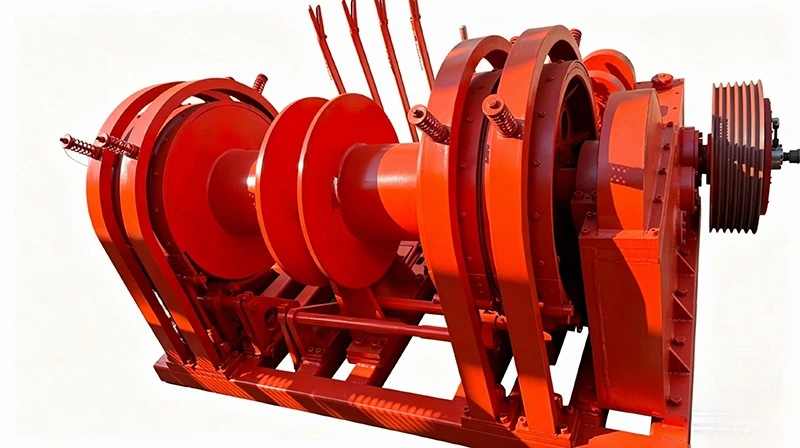
How Pump Speed Affects Flow Rate
One of the most obvious ways that pump speed affects performance is through the flow rate. Simply put, the faster the pump runs, the higher the flow rate of the mud. A higher flow rate means more mud is being circulated through the wellbore. This is great for quickly removing cuttings from the drill bit area. When you're drilling through hard rock or in formations that produce a lot of cuttings, a high flow rate can prevent the cuttings from building up around the bit and causing problems like bit balling or reduced penetration rates.
For example, if you're using a Drilling Borewell Machine in a challenging geological formation, increasing the pump speed can significantly improve the efficiency of the drilling process. The increased flow rate ensures that the cuttings are continuously removed, allowing the drill bit to work more effectively.
However, there's a limit to how fast you can run the pump. If you increase the speed too much, you might experience issues with cavitation. Cavitation occurs when the pressure in the pump drops below the vapor pressure of the mud, causing vapor bubbles to form. These bubbles can collapse violently, damaging the pump components and reducing its efficiency.
Impact on Pressure
Pump speed also has a big impact on the pressure generated by the mud pump. As the pump speed increases, the pressure in the wellbore also rises. This increased pressure is useful for maintaining wellbore stability, especially in formations that are prone to collapsing. The higher pressure of the mud helps to balance the pressure of the surrounding rock, preventing the wellbore from caving in.
When using a Truck Borewell Machine, which is often used for more mobile and on - site drilling operations, controlling the pump speed to manage pressure is crucial. If the pressure is too low, there's a risk of wellbore instability, which can lead to expensive downtime for repairs. On the other hand, if the pressure is too high, it can cause fractures in the surrounding rock, leading to lost circulation of the drilling mud.
Efficiency and Power Consumption
The speed of the water well mud pump also affects its efficiency and power consumption. Running the pump at an optimal speed can maximize its efficiency. Generally, there's a sweet spot in terms of speed where the pump can deliver the required flow rate and pressure with the least amount of power input.
If you run the pump at a speed that's too low, it might not be able to deliver the necessary flow rate and pressure, and the drilling process will be inefficient. You'll end up spending more time and energy trying to achieve the same result. On the other hand, running the pump at a speed that's too high will increase power consumption without a proportional increase in performance. This can lead to higher operating costs and reduced profitability.
Wear and Tear
Another factor to consider is the wear and tear on the pump components. Running the pump at a high speed for extended periods can accelerate the wear of parts like pistons, valves, and seals. The high - speed operation creates more friction and stress on these components, leading to a shorter lifespan.
When using a Drill Rig Water Swivel in conjunction with the mud pump, the increased speed can also affect its performance and durability. The water swivel needs to handle the high - pressure and high - flow mud, and if the pump speed is too high, it might cause premature wear on the swivel as well.
Matching Pump Speed to Drilling Conditions
To get the best performance out of your water well mud pump, it's essential to match the pump speed to the specific drilling conditions. For shallow wells or soft formations, a lower pump speed might be sufficient. The lower speed can still provide enough flow rate and pressure to carry the cuttings to the surface without causing unnecessary wear on the pump.
In contrast, for deep wells or hard rock formations, a higher pump speed might be required. The increased flow rate and pressure are necessary to overcome the challenges of these difficult drilling conditions. However, you need to monitor the pump closely to ensure that it's not running into issues like cavitation or excessive wear.
Conclusion
In conclusion, the speed of a water well mud pump has a profound impact on its performance. It affects the flow rate, pressure, efficiency, power consumption, and wear and tear of the pump. As a Water Well Mud Pump supplier, I understand the importance of finding the right balance in pump speed for different drilling applications.
If you're in the market for a high - quality water well mud pump or need advice on how to optimize the performance of your existing pump, don't hesitate to reach out. We're here to help you make the right choices for your drilling projects. Whether you're using a Drilling Rig Well or any other related equipment, we've got the expertise to ensure that your operations run smoothly.
References
- Drilling Engineering Handbook, various authors
- Water Well Drilling Best Practices, industry publication