

Leveling a trailer drill rig on an uneven surface can be a real pain in the neck, but it's a crucial step for getting accurate drilling results and keeping your equipment in good shape. As a supplier of Trailer Drill Rig, I've seen firsthand the challenges that come with setting up on less - than - perfect ground. Let's dive into the process and figure out how to level that rig like a pro.
1. Pre - assessment of the Site
Before you even think about starting to level the drill rig, you need to take a good look at the site. Walk around the area where you plan to set up your Drill Rig Trailer. Look for big bumps, holes, or slopes. Use a simple tool like a long straight board and a level to get a rough idea of the ground's unevenness. This will help you decide what type of leveling equipment you'll need.
If the ground has small bumps, you might be able to get away with using some simple adjustable blocks. But if there are large slopes or deep holes, you'll need to invest more time and effort in pre - levelling the area. Sometimes, you may need to use a small excavator to move some dirt around and create a more level base.
2. Setting Up Outriggers
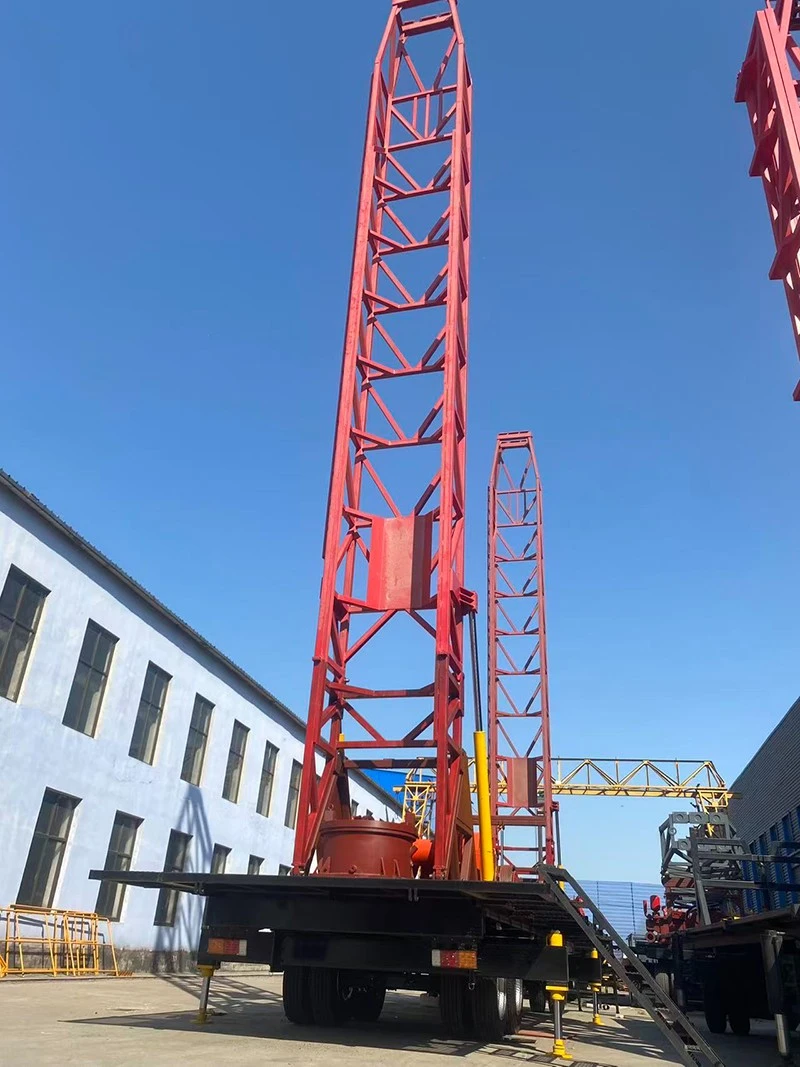
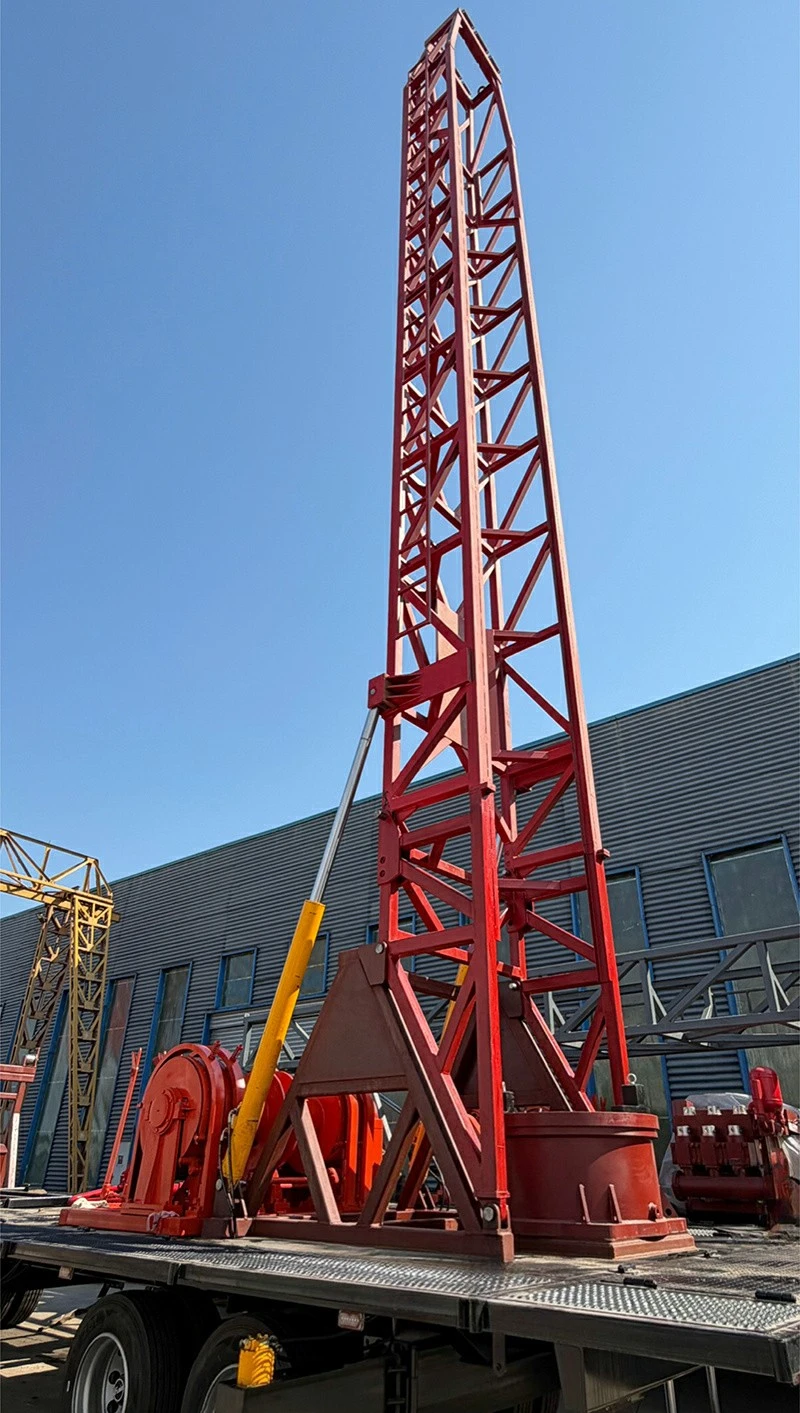
Most trailer drill rigs come equipped with outriggers. These are like the legs of the rig, and they play a vital role in leveling. First, extend the outriggers slowly. Make sure you're following the manufacturer's instructions because each rig can be a bit different. Some outriggers can be adjusted hydraulically, while others are manual.
As you extend the outriggers, use a spirit level to check for horizontal alignment. You want to get the rig as level as possible side - to - side and front - to - back. If one side is higher than the other, you'll need to lower or raise the corresponding outrigger. Keep adjusting until the bubble in the spirit level is centered in both directions.
3. Using Jacks for Finer Adjustments
Even with the outriggers, you might need to make some finer adjustments. That's where jacks come in handy. Place the jacks under the frame of the Trailer Mounted Water Well Drilling Rig at strategic points. You can raise or lower the rig in small increments using these jacks.
When using jacks, it's important to be careful. Don't raise or lower the rig too quickly, as this can cause it to become unstable. Also, make sure the jacks are placed on a solid surface. You don't want them to sink into the ground while you're trying to level the rig.
4. Checking and Re - checking
Once you think you've got the rig level, don't just assume it's perfect. Double - check it using the level. Sometimes, as you're making adjustments, the rig can shift slightly in other areas. Walk around the rig and check the level at different points.
It's also a good idea to let the rig sit for a few minutes after you've finished leveling it. This allows any settling to occur. Then, check the level again. If it's still off, make the necessary adjustments.
5. Dealing with Extreme Unevenness
In some cases, the ground might be extremely uneven. Maybe you're working on a hillside or in an area with a lot of rocks. In these situations, you may need to get creative.
One option is to build a platform. You can use wooden planks or steel plates to create a more level surface for the rig. Make sure the platform is stable and can support the weight of the Drilling Trailer.
Another approach is to use shims. Shims are small, thin pieces of material that you can place under the outriggers or jacks to make small height adjustments. You can use wooden shims or metal ones, depending on the situation.
6. Safety Considerations
Leveling a drill rig is not just about getting the right angle; it's also about safety. Always wear appropriate safety gear, like hard hats and safety boots. Make sure the rig is in a stable position before you start any work on it.
If you're using heavy equipment like an excavator, make sure the operator is trained and experienced. And never overload the outriggers or jacks. If you're unsure about something, don't hesitate to ask for help.
7. Maintenance After Leveling
Once you've successfully leveled the Water Well Drilling Trailer, it's important to maintain its level during operation. Vibrations from the drilling process can sometimes cause the rig to shift. Check the level periodically throughout the drilling job.
Also, keep an eye on the outriggers and jacks. Make sure they're still in good condition and haven't loosened. If you notice any issues, stop the operation immediately and make the necessary repairs.
Conclusion
Leveling a trailer drill rig on an uneven surface is a multi - step process that requires patience and attention to detail. By following these steps, you can ensure that your rig is level, stable, and ready to drill accurately.
If you're in the market for a high - quality trailer drill rig, we're here to help. Our rigs are designed to be durable and easy to set up, even on challenging terrain. Whether you're a small - scale contractor or a large - scale drilling company, we've got the right rig for you. Reach out to us to start a conversation about your drilling needs and how we can provide the perfect solution.
References
- General knowledge from years of experience as a trailer drill rig supplier.
- Manufacturer's manuals for various trailer drill rig models.