

Alright, folks! As a supplier of Drilling Rig Well, I've seen firsthand the ins and outs of what goes into the cost of setting up and operating one. So, let's break down the key cost - factors associated with a Drilling Rig Well.
1. Equipment Costs
The very first thing that hits your wallet is the equipment. A high - quality Truck Mounted Borehole Drilling Rig can cost a pretty penny. These rigs are designed to be mobile and efficient, which is great for different drilling sites. But the technology and engineering that go into making them reliable and powerful come at a cost.
You've got the rig itself, which includes the drilling mast, the power unit, and the control systems. Then, there are the drill bits. Different types of drill bits are needed depending on the geological conditions. For instance, if you're drilling through hard rock, you'll need specialized Deep Rock Water Well Drilling Rigs with tough drill bits that can withstand the high pressure and abrasion. These bits can be quite expensive, and they also wear out over time, so you need to budget for replacements.
Another important piece of equipment is the Water Pump Drilling Machine. This machine is crucial for getting water out of the well once it's drilled. There are different types of pumps, with varying capacities and efficiency levels. A more powerful and efficient pump will generally cost more, but it can save you money in the long run by reducing energy consumption.
And let's not forget about the Mud Pump for Water Well Drilling. The mud pump is used to circulate drilling fluid, which helps cool the drill bit, carry cuttings to the surface, and maintain pressure in the wellbore. A good - quality mud pump is essential for a smooth drilling operation, and it's an added cost to consider.
2. Labor Costs
Labor is a significant part of the overall cost. You need a skilled crew to operate the drilling rig. Drilling operators are highly trained professionals who know how to handle the equipment safely and efficiently. They need to understand the geological data, set up the rig properly, and monitor the drilling process. Their salaries are based on their experience and expertise, and in some regions, labor costs can be quite high.
In addition to the operators, you may also need other support staff, such as mechanics to keep the equipment in good working condition, and geologists to provide advice on the drilling process. All these people need to be paid, and their wages add up over the course of a drilling project.
3. Site Preparation and Permitting Costs
Before you can even start drilling, you've got to prepare the site. This may involve clearing the land, leveling the ground, and building access roads. If the site is in a remote area, the cost of transporting equipment and materials can be substantial. You'll also need to get the necessary permits from the local authorities. Permitting costs can vary widely depending on the location and the type of drilling project. Some areas have strict environmental regulations, which may require you to conduct environmental impact studies before you can get a permit. These studies can be time - consuming and expensive.
4. Drilling Fluid and Chemicals
Drilling fluid, also known as mud, is a key component of the drilling process. The cost of drilling fluid depends on its type and quality. You need to use the right type of fluid for the geological conditions. For example, in some cases, you may need a fluid that can prevent the wellbore from collapsing, while in others, you need a fluid that can lubricate the drill bit.
In addition to the basic fluid, you may also need to add chemicals to it. These chemicals are used to adjust the properties of the fluid, such as its viscosity and density. The cost of these chemicals can add up, especially if you're drilling a deep well or in difficult geological conditions.
5. Maintenance and Repair Costs
Drilling rigs are complex machines, and they require regular maintenance to keep them running smoothly. You need to change the oil, check the filters, and inspect the various components on a regular basis. Over time, parts will wear out and need to be replaced. The cost of maintenance and repair can be significant, especially if there are major breakdowns.
You also need to factor in the cost of downtime. When the rig is not working, you're losing money. So, it's important to have a good maintenance plan in place to minimize the risk of breakdowns and keep the rig operational as much as possible.
6. Energy Costs
Drilling rigs consume a lot of energy. Whether it's diesel for the power unit or electricity for the pumps, energy costs are a major part of the overall cost. The price of fuel and electricity can fluctuate, which makes it difficult to predict these costs accurately. However, using more energy - efficient equipment can help reduce these costs in the long run.

7. Transportation and Logistics
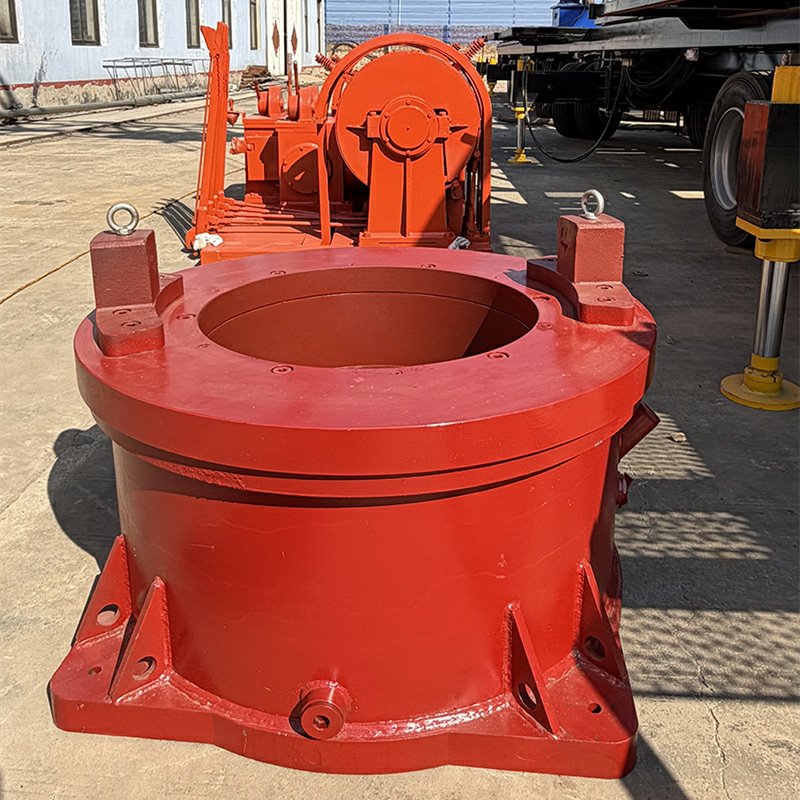
If you're moving the drilling rig from one site to another, you've got to consider transportation costs. This includes the cost of hiring trucks, trailers, and other transportation equipment. You also need to factor in the cost of loading and unloading the rig. In addition, if the rig needs to be transported over a long distance or through difficult terrain, the costs can be even higher.
Conclusion
As you can see, there are many cost - factors associated with a Drilling Rig Well. From the initial purchase of equipment to the ongoing costs of labor, maintenance, and energy, it's a complex and expensive operation. But if you're in the market for a Drilling Rig Well, don't let the costs scare you off. At our company, we're committed to providing high - quality equipment and services at competitive prices.
If you're interested in learning more about our Drilling Rig Well products or have any questions about the costs involved, feel free to reach out. We're happy to have a chat and help you find the best solution for your needs. Let's work together to make your drilling project a success!
References
- Industry reports on drilling rig costs
- Geological surveys and data on drilling conditions
- Manufacturer specifications for drilling equipment