

What is the performance curve of a diesel mud pump?
As a trusted diesel mud pump supplier, I often encounter inquiries about the performance curve of diesel mud pumps. Understanding the performance curve is crucial for anyone involved in industries such as oil and gas drilling, construction, and mining, where these pumps play a vital role.
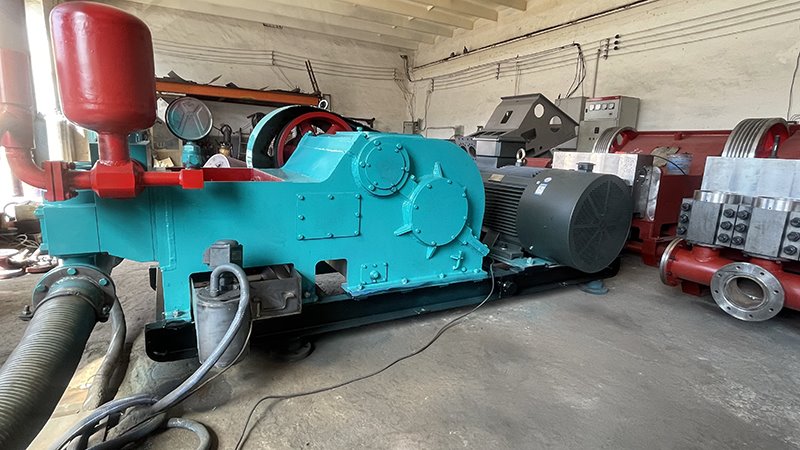
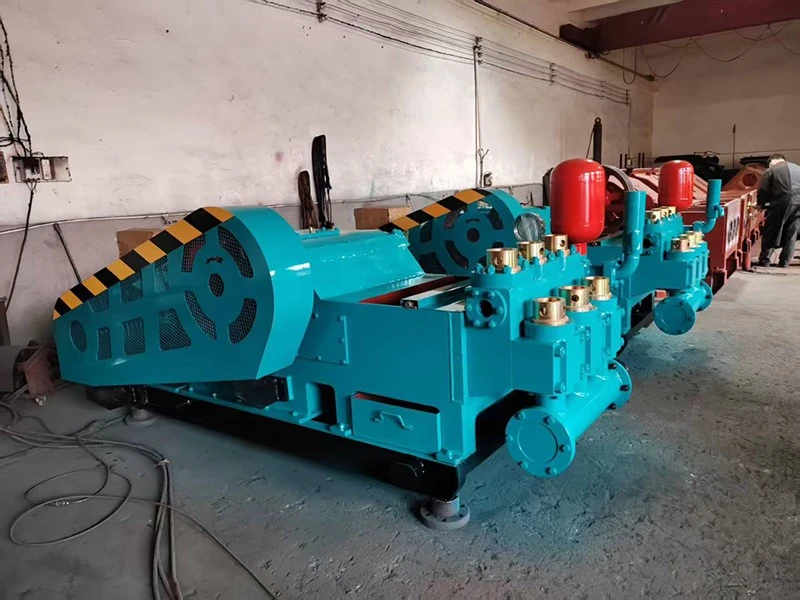
Understanding the Basics of Diesel Mud Pumps
Diesel mud pumps are heavy - duty machines used to circulate drilling fluid, or mud, in the drilling process. The mud serves multiple purposes, including cooling the drill bit, carrying cuttings to the surface, and maintaining wellbore stability. A diesel engine powers these pumps, providing the necessary energy to move the mud at high pressures and flow rates.
What is a Performance Curve?
A performance curve is a graphical representation of a pump's performance characteristics. It typically shows the relationship between the pump's flow rate (usually measured in barrels per minute or liters per second) and the head (the pressure the pump can generate, often in pounds per square inch or meters of water column). Other parameters, such as power consumption, efficiency, and net positive suction head required (NPSHr), may also be included on the curve.
Components of a Diesel Mud Pump Performance Curve
-
Flow Rate vs. Head
The most fundamental part of the performance curve is the relationship between flow rate and head. As the flow rate increases, the head that the pump can generate decreases. This relationship is based on the physical principles of fluid dynamics and the pump's design. For example, at a low flow rate, the pump can push the mud to a higher pressure (head). But as more mud is forced through the pump at a faster rate, the friction and losses within the pump and the piping system increase, reducing the available head. -
Efficiency Curve
The efficiency of a diesel mud pump is another important aspect shown on the performance curve. Efficiency is defined as the ratio of the useful power output (the power used to move the mud) to the power input (the power supplied by the diesel engine). The efficiency curve typically shows a peak point, where the pump operates most efficiently. Operating the pump close to this peak efficiency point is desirable as it reduces fuel consumption and operating costs. -
Power Consumption Curve
The power consumption curve shows how much power the diesel engine needs to supply to the pump at different flow rates and heads. As the flow rate and head increase, the power consumption also increases. This curve helps in sizing the diesel engine correctly. If the engine is undersized, it may not be able to provide enough power for the pump to operate at the required conditions. On the other hand, an oversized engine can lead to inefficient operation and higher costs. -
Net Positive Suction Head Required (NPSHr) Curve
NPSHr is the minimum pressure required at the pump's suction inlet to prevent cavitation. Cavitation occurs when the pressure at the suction side of the pump drops below the vapor pressure of the fluid, causing vapor bubbles to form. These bubbles collapse when they reach higher - pressure areas inside the pump, which can damage the pump components. The NPSHr curve shows how the NPSHr changes with the flow rate. As the flow rate increases, the NPSHr usually also increases.
Factors Affecting the Performance Curve
- Pump Design
The design of the diesel mud pump, including the impeller diameter, blade shape, and casing design, significantly affects its performance curve. Different pump models are designed to operate optimally at different flow rates and heads. For example, a pump with a larger impeller diameter may be able to generate a higher head at a given flow rate compared to a pump with a smaller impeller. - Diesel Engine Performance
The performance of the diesel engine powering the pump is also crucial. A more powerful engine can provide the necessary torque and speed to drive the pump at higher flow rates and heads. Engine efficiency, fuel quality, and maintenance also impact the overall performance of the pump. For instance, a poorly maintained engine may not be able to deliver the required power, leading to a deviation from the ideal performance curve. - Fluid Properties
The properties of the drilling mud, such as density, viscosity, and temperature, can affect the pump's performance. Higher - density mud requires more power to move, which can change the flow rate - head relationship. Viscous fluids also increase the friction within the pump and the piping system, reducing the pump's efficiency and available head.
Applications of the Performance Curve
- System Design
Engineers use the performance curve to design the drilling system. By understanding the flow rate and head requirements of the well, they can select the appropriate diesel mud pump. The performance curve helps in matching the pump to the specific needs of the drilling operation, ensuring efficient and reliable performance. - Operation and Monitoring
During the operation of the diesel mud pump, the performance curve serves as a reference. Operators can compare the actual performance of the pump (measured flow rate and head) with the curve to detect any anomalies. Deviations from the curve may indicate problems such as pump wear, cavitation, or engine issues. Regular monitoring using the performance curve allows for timely maintenance and troubleshooting.
Our Diesel Mud Pump Offerings
As a diesel mud pump supplier, we offer a wide range of products to meet different industry needs. Our Mud Pump Engine is designed to provide reliable power for mud pumps, ensuring consistent performance. Our Mud Pump with Diesel Engine is a complete solution that combines a high - quality pump with a powerful diesel engine. If you need a more rugged option, our Heavy Duty Mud Pump is built to withstand the toughest operating conditions. We also offer Electric Mud Pump for applications where electricity is readily available, and Oilwell Triplex Pumps known for their high - pressure performance.
Contact Us for Your Diesel Mud Pump Needs
If you are in the market for a diesel mud pump, we invite you to contact us for a detailed discussion. Our team of experts can help you select the right pump based on your specific requirements and guide you through the purchasing process. Whether you are involved in a small - scale construction project or a large - scale oil drilling operation, we have the solution for you.
References
- Cherry, J. A., & Schneider, A. J. (2005). Groundwater. Prentice Hall.
- Ludwig, E. E. (2001). Applied Process Design for Chemical and Petrochemical Plants, Volume 1. Gulf Professional Publishing.
- Pump Handbook, Karassik, I. J., Messina, J. P., Cooper, P., & Heald, C. C. (Eds.). (2008). McGraw - Hill Professional.